Door Handing Explained: Left-Hand, Right-Hand and Reverse
Some hardware is handed, which means it is made for doors that swing a particular way. Shaped levers, some mortise locks, and many exterior handlesets need handing. Hinges, knobs and most modern levers do not. Here is the simple way to work it out.
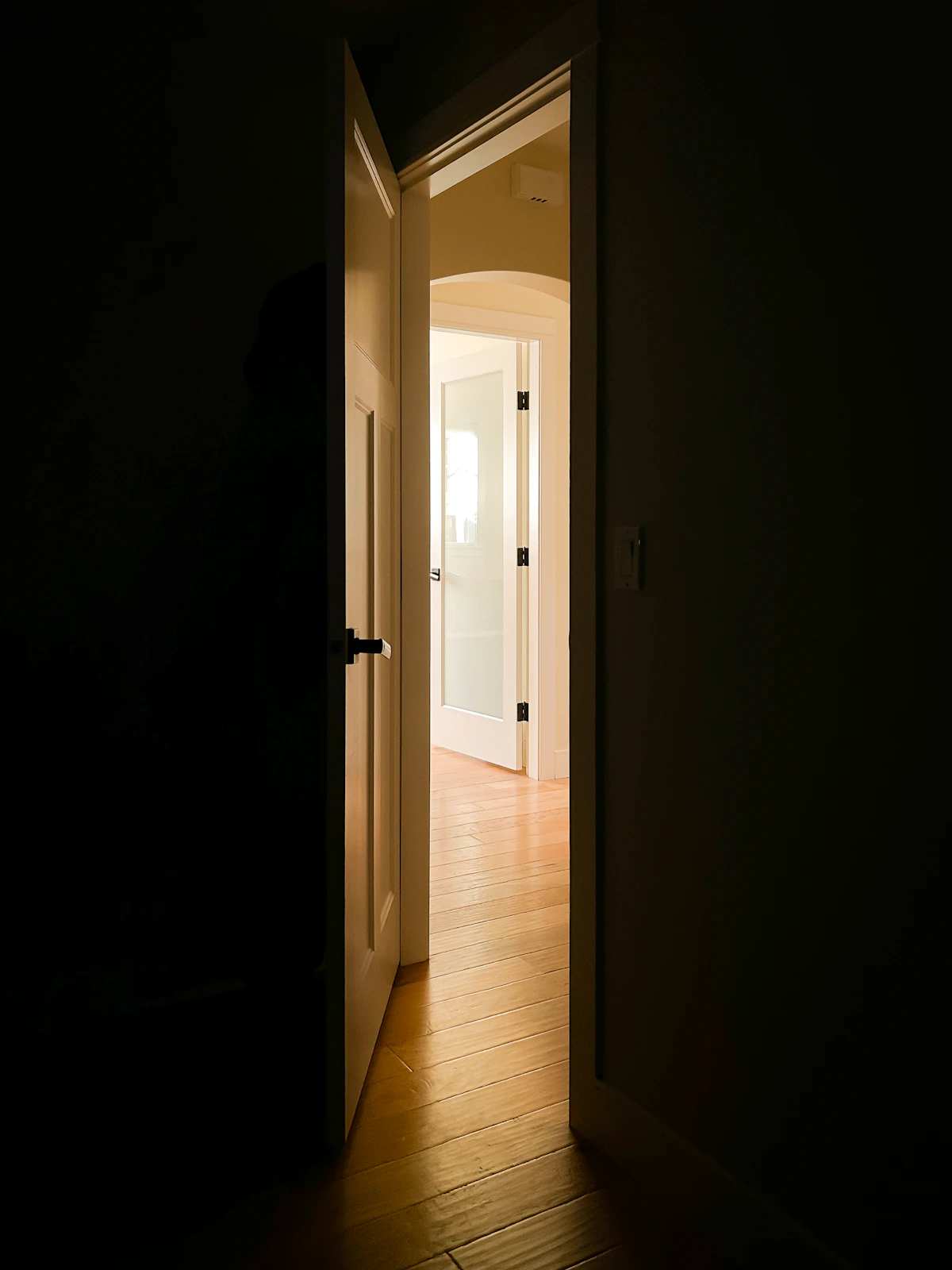
Stand on the outside
For exterior doors, the outside is the street side. For interior doors, stand on the side from which the door opens away from you, so you push it to open. That is the side you take the reading from.
Look at the hinges
- Hinges on the left, door swings away from you: left-hand (LH).
- Hinges on the right, door swings away from you: right-hand (RH).
- Hinges on the left, door swings toward you: left-hand reverse (LHR).
- Hinges on the right, door swings toward you: right-hand reverse (RHR).
Most interior doors in houses open inward into the room, so from the hallway they are usually LH or RH. Many exterior doors on houses open inward too.
Which hardware cares?
- Handed levers: some lever designs curve or point and must be ordered for each handing. Others are reversible and can be flipped on site.
- Mortise locks: many can be reversed by turning the latch, but check the instructions.
- Handlesets and entry sets: the grip and lever direction often depend on handing.
- Knobs and most hinges: not handed.
Make a door list
When planning a whole house, walk from room to room and write down each door, its function (passage, privacy, dummy, keyed) and its handing. Ten minutes with a notepad avoids the most frustrating kind of return.
Recommendations in our guides may link to retailers. See our affiliate disclosure.