Passage, Privacy, Dummy or Keyed? Door Functions Explained
Door handles are sold by function, not just by style. The same lever design is usually available in several versions, and ordering the wrong one is the most common hardware mistake in a remodel. Here is what each function does and where it belongs.
Passage
A passage set latches the door closed but does not lock. Turn the handle from either side and the door opens. Use passage sets on hallways, closets you walk into, laundry rooms, dining rooms and any interior door that never needs to lock.
Privacy
A privacy set adds a simple lock on the inside, usually a push button or a small thumb turn. The outside has a small emergency release, so the door can be opened with a pin or a simple tool if someone is locked in. Use privacy sets on bathrooms and bedrooms.
Dummy (or single dummy)
A dummy handle does not turn and has no latch. It is surface mounted and is simply something to pull. Dummies are used on closet doors that close with a ball catch or roller catch, on pantry doors, and on the inactive leaf of a pair of French doors. A double dummy is a matched pair for both sides of a door or both doors of a closet pair.
Keyed entry
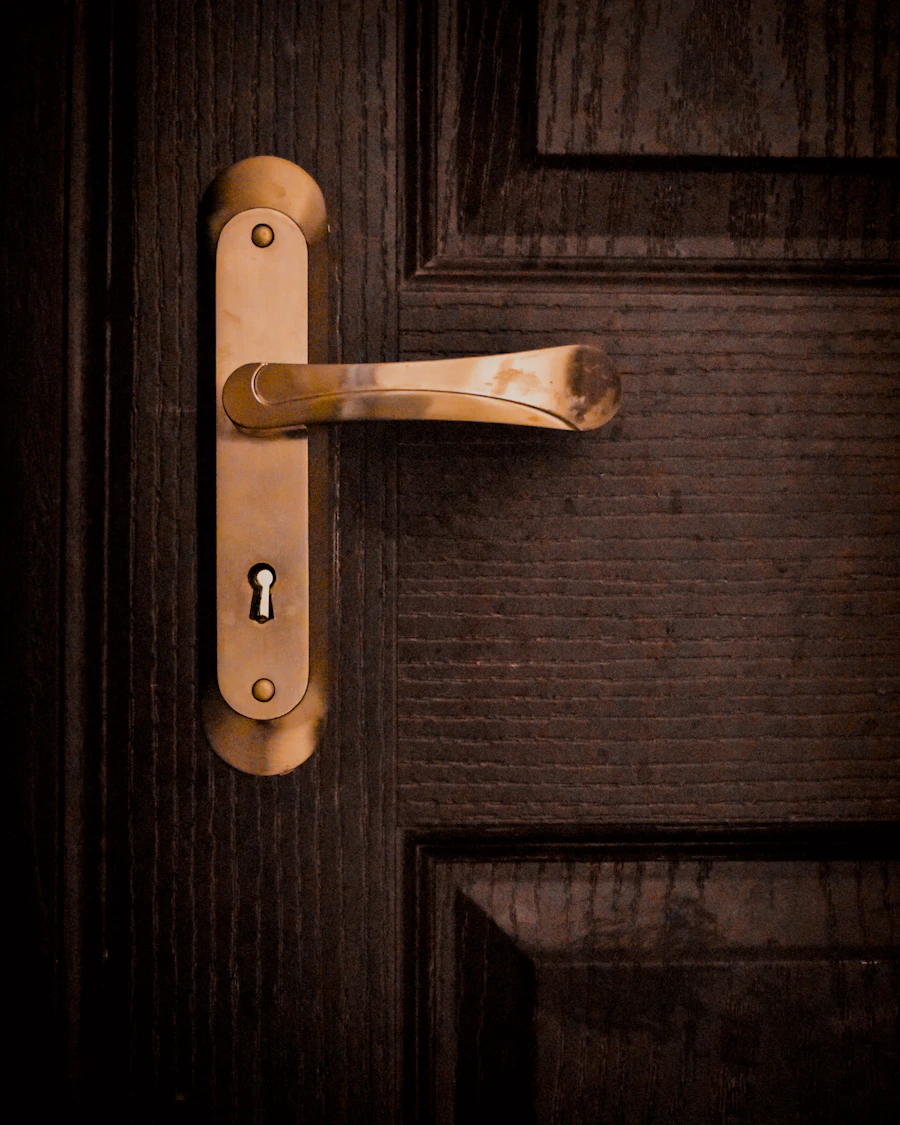
A keyed entry set locks with a key from the outside and a turn piece or button inside. It is used on exterior doors, garage entry doors and any interior room that must lock from the outside, such as an office or storage room. On exterior doors, a keyed set is normally paired with a separate deadbolt for security.
A quick room-by-room plan
- Front and back doors: keyed entry or handleset, plus deadbolt.
- Garage to house: keyed entry, plus deadbolt.
- Bedrooms and bathrooms: privacy.
- Hallways, closets you walk into, laundry: passage.
- Shallow closets with catches, pantries, French door inactive leaf: dummy.
Match the style across functions
Choose one lever or knob design and order it in every function the house needs. That keeps the look consistent from the front door to the powder room, even though the mechanisms inside are different. When you plan, make a simple list of every door and its function before you shop. It will save returns and keep quantities straight.
Recommendations in our guides may link to retailers. See our affiliate disclosure.